
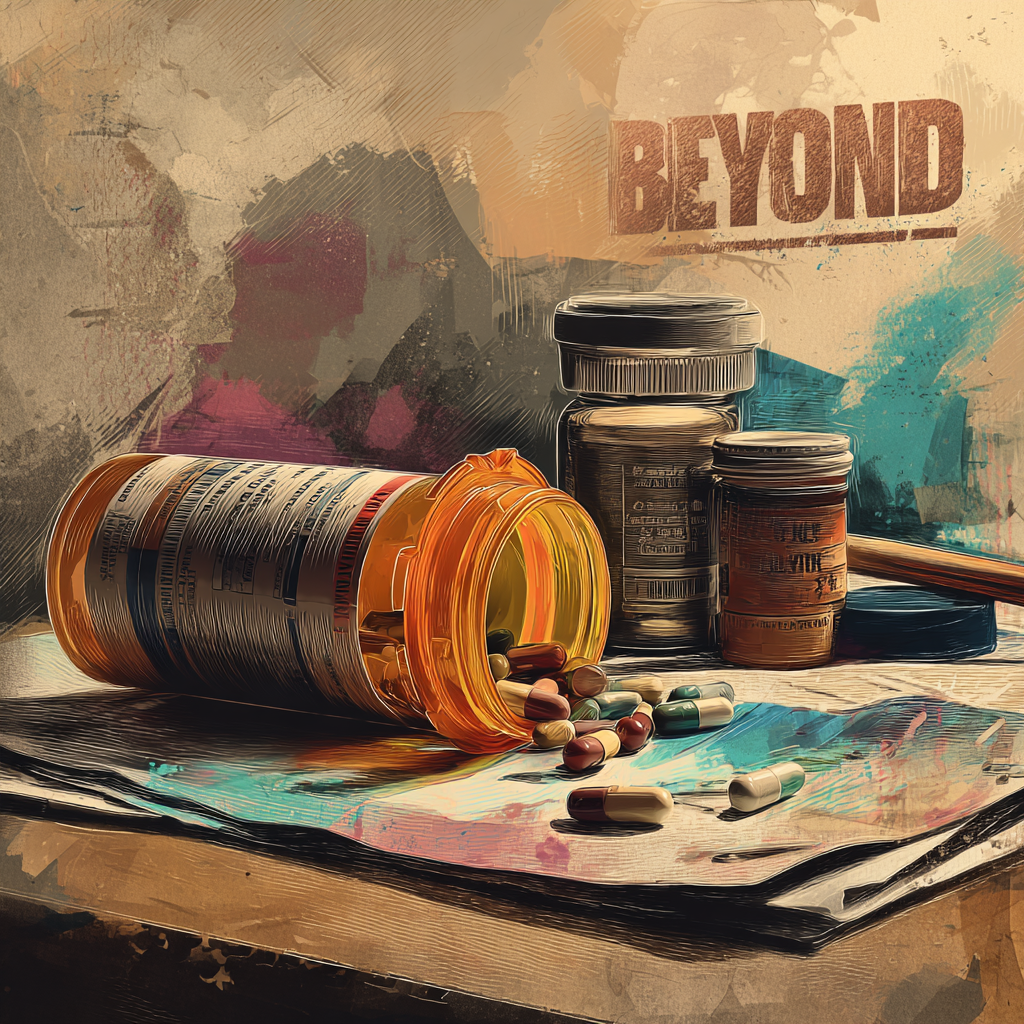
Beyond the Pill: A Holistic Approach to Pediatric Care
In a world where “a pill for every ill” has become the medical standard, it’s easy to feel like we’re only scratching the surface of our children’s health. While modern medicine provides us with incredible, life-saving tools, Dr. Marie Jean-Baptiste believes that true wellness requires us to look past the prescription pad. “Beyond the Pill” isn’t about rejecting traditional medicine; it’s about a commitment to understanding the root causes of health—investigating the gut-brain connection, nutritional foundations, and environmental factors that shape a child’s vitality. At Rising Star Pediatrics, we view medication as one piece of a much larger puzzle, shifting the focus from simply managing symptoms to nurturing long-term, holistic health.
We live in an age of instant gratification. With a few taps on a screen, we can have groceries delivered, a car waiting at the curb, or an answer—accurate or not—to any medical question. As parents, this “on-demand” culture creates a unique kind of pressure, especially when our children are sick. I see it every day: the exhausted eyes of a mother who has been up all night with a coughing toddler, the father who needs his daughter to get well so she doesn’t miss another week of school, and the overwhelming noise of social media influencers telling you to “just give them an antibiotic and be done with it.”
I hear you. I see you. And I have been you.
As a pediatrician, a Doctor of Osteopathic Medicine (DO), and a mother of two, I sit at the intersection of high-level clinical science and the raw, maternal instinct to make the pain go away now. In my practice, Rising Star Pediatrics, my goal isn’t just to hand you a piece of paper and send you to the pharmacy. My goal is to use every tool in my medical “pocket”—from the most advanced pharmaceutical interventions to the ancient wisdom of natural remedies—to protect your child’s long-term health.
Today, let’s talk about the tool that is most frequently requested and most commonly misunderstood: Antibiotics.
The Wisdom of Two Worlds: Why Experience Matters
Before we dive into the science of the microbiome, I want to share a bit of my heart. I grew up in a culture where natural remedies weren’t “alternative”—they were just medicine. I saw firsthand how certain teas, compresses, and plant-based supports worked in harmony with the body.
Years later, as an experienced pediatric hospitalist, I spent countless hours in the intensive care unit and on hospital floors. I’ve seen the miracles of modern medicine. I’ve seen antibiotics save lives when a child was fighting a true bacterial meningitis or a severe kidney infection.
Because I have lived in both worlds, I don’t see them as being at war. I see them as a partnership. There is a growing body of research that is finally confirming what many cultures have known for centuries. Take honey, for example. Not too long ago, a doctor suggesting honey for a cough might have been ridiculed. Today, the Journal of the American Medical Association (JAMA) and other evidence-based institutions have confirmed that for children over age one, honey can be as effective (and sometimes more effective) as over-the-counter cough syrups, without the side effects.
My job is to be your filter. I use my “hospitalist eyes” to ensure your child is safe and my “holistic heart” to ensure we aren’t over-treating them.
Antibiotic Stewardship: The “Pill for Every Ill” Myth
The phrase “Antibiotic Stewardship” sounds like a dry, medical term, but for you, it means one thing: Protecting your child’s future.
Most childhood illnesses—the runny noses, the barky coughs, the sore throats—are caused by viruses. This is a hard truth to hear at 2:00 AM, but antibiotics do not kill viruses. They only kill bacteria. Using an antibiotic for a viral cold is like trying to put out a grease fire with a fan; it doesn’t solve the problem, and it might make things worse.
When we use antibiotics unnecessarily, we contribute to antibiotic resistance. This means that when your child actually has a dangerous bacterial infection, the medicine might not work anymore because the bacteria have learned how to fight it off.
The Silent Victim: Your Child’s Microbiome
One of the reasons I am so passionate about “knowing when to use it” is because of what happens inside your child’s belly. We’ve discussed the Gut-Brain Connection before, but it bears repeating here: your child’s gut is home to a delicate ecosystem of trillions of beneficial bacteria.
When we give an antibiotic, it is often like a “forest fire.” It doesn’t just kill the bad bacteria; it wipes out the good ones, too. This disruption to the microbiome is not a minor side effect—it is a significant health event.
The Link to Mental Health
Emerging evidence is beginning to show a startling connection between early-life antibiotic exposure and long-term mental health. Because 95% of serotonin (the “joy” chemical) is made in the gut, disrupting that environment during critical developmental windows can have a “ripple effect” on the brain. Studies suggest that frequent antibiotic use in early childhood may be linked to an increased risk of anxiety and depression in the adolescent years.
When I suggest we “wait and see” or use a natural comfort measure first, I’m not being “difficult.” I am protecting your child’s gut-brain superhighway.
Being Patient with the Body
In our practice, we believe in being patient with the body. A fever is often the body’s way of “cooking” a virus to kill it. A cough is the body’s way of clearing the “debris” from the lungs. These are signs that your child’s immune system is doing exactly what it was designed to do!
In a traditional pediatric office, you might get a 10-minute visit and a “just-in-case” prescription because the doctor doesn’t have the time to explain why you don’t need it. In my concierge model, we have the luxury of time. We can talk about the “Plan of Action.” We can discuss:
- Supportive Care: How to use saline, steam, and hydration (remember, hydration is more important than food!).
- Natural Tools: When to use elderberry, zinc, or honey responsibly.
- The “When to Call” List: My hospitalist experience allows me to give you clear “Red Flags” so you know exactly when a virus has turned into something that does require a prescription.
Knowing When the Answer IS an Antibiotic
I want to be very clear: I am not anti-antibiotic. I am pro-science and pro-logic.
There are times when an antibiotic is the kindest, most responsible thing I can do for your child. My training as a DO and a hospitalist has given me the “clinical intuition” to know the difference. If your child has a confirmed case of Strep throat, a diagnosed ear infection that isn’t resolving, or signs of bacterial pneumonia, we will use the best pharmaceutical tools available.
But when we use them, we do it with intention. We pair them with probiotics and a “gut-recovery” plan to minimize the collateral damage.
Your Partner in the Trenches
Parenting in the social media era is exhausting. You are told a million different things by a million different people. I want Rising Star Pediatrics to be your “Safe Harbor.”
When your child is sick, I want you to reach for the HIPAA-protected app, not the search engine. I want us to have a conversation about your child’s unique history and their current symptoms. I want to use my years of hospital experience to give you peace of mind, and my holistic background to give your child the gentlest path to healing.
We don’t need a “pill for every ill.” We need a partnership that respects the body’s wisdom, utilizes the best of modern science, and always puts your child’s long-term wellness first.
Let’s help your child shine—responsibly.