What a Florida Artist Taught Me About How We Practice Medicine
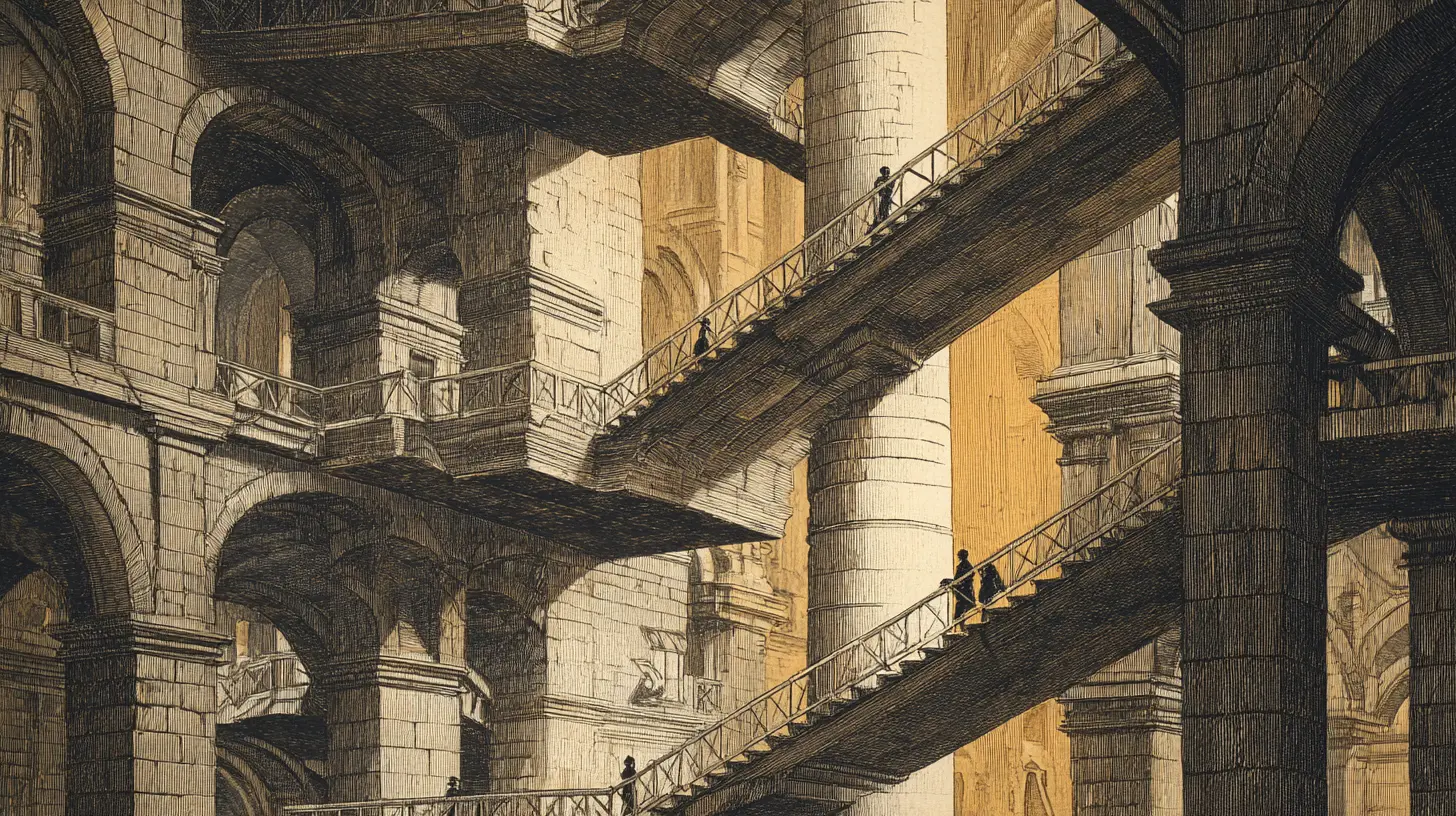
I came across Jesse Martin’s work the way most people do, scrolling through my phone late at night after the kids were finally asleep. I sat there for longer than I want to admit, watching the piece loop. You’ll see what I mean below.
What struck me wasn’t the technical skill, though that’s obvious. It was the philosophy underneath it. Jesse isn’t adding more canvas. He isn’t making the picture bigger. He’s working with the same flat surface every other artist has, and somehow there’s a universe inside it. The depth isn’t in the materials. It’s in what he chose to put where, and what he left out so your eye could travel.
That is exactly how I think about Direct Primary Care.
When people ask me why I left the traditional system to build Rising Star Pediatrics, I usually start by listing what we don’t do. We don’t bill insurance. We don’t carry a panel of three thousand patients. We don’t have a billing department, a coding team, a prior authorization specialist, or a phone tree that puts you on hold while your toddler has a fever. On paper, it looks like less. Less infrastructure, less staff, less of the machinery that people associate with a “real” medical practice.
But any of my patients know the experience feels like the opposite: visits are forty-five minutes when they need to be. I know your child’s name, your other child’s name, what your week looked like, what you’re worried about that you haven’t said out loud yet. If something happens on a Saturday, you text me. If a visit needs to happen in your living room because the baby just came home and you haven’t slept, I come to your living room.
That depth, the kind that families actually feel, is not something I added. It’s what was already there, underneath all the apparatus that conventional healthcare puts between a doctor and a family. When you strip away the billing layer and the volume pressure, the relationship doesn’t shrink. It expands.
The traditional fee-for-service model is the inverse move. There is enormous activity happening, claims, codes, RVUs, prior auths, documentation requirements designed for billing rather than care, but the patient’s experience of that activity is flat. Seven minutes in the room. A doctor looking at a screen. A follow-up scheduled six weeks out because the schedule is full of people the system needs to bill for. Maximum machinery, minimum dimension.
I’ve come to believe this is a general truth, not just one about medicine. Depth is never about adding more. It’s about arrangement. The Renaissance painters didn’t invent perspective by buying more paint. They invented it by understanding what to put in front of what, and trusting the viewer’s eye to do the rest. Look at the piece above and you’ll see the same instinct at work. One image, opening into another, opening into another.
In medicine, the equivalent is trust. When a family knows I’ll actually be there, that I’ll actually know them, that the visit won’t be rushed and the follow-up won’t be a fight, something opens up. Parents tell me things they didn’t plan to tell me. I catch things I wouldn’t have caught in a seven-minute slot. Kids who were scared of doctors stop being scared.
People sometimes ask if I miss the old system. I don’t. What I missed, the whole time I was in it, was the chance to practice the way I always thought medicine was supposed to be practiced. DPC didn’t give me a bigger canvas. It just got out of the way of the one I had.
If you’ve ever felt that small jolt of wonder when you realized there was a whole world inside the thing you thought you were looking at, that’s the feeling I want every family to have when they walk into our office. You came in for a well visit. You’re leaving with a relationship. The depth was there the whole time. We just had to clear the room so you could see it.