Beyond Tradition: 7 Alternative Birth Practices and What They Mean for You
Pregnancy is a journey filled with choices, some guided by tradition, others by new and evolving ideas. Many expectant parents hear about alternative birth practices that fall outside standard labor, delivery, and newborn care. Some of these may offer comfort or perceived benefits, but others carry hidden risks, especially when it comes to infections in newborns.
Here’s a closer look at seven alternative birth practices and what you need to know before making a decision.
1. Water Birth: Comfort and Concerns
Water births involve giving birth in a warm tub of water, with some birthing centers offering tubs for comfort during labor. However, the practice of delivering the baby underwater is less common and carries certain risks.
What the science says: Immersion in warm water may help ease contractions during early labor, providing comfort for the mother. However, research does not show significant benefits for the baby beyond that. Additionally, the presence of bacteria in the water poses a potential infection risk for newborns. While rare, there have been cases where babies born underwater developed serious bacterial infections.
2. Vaginal Seeding: A Risky Experiment
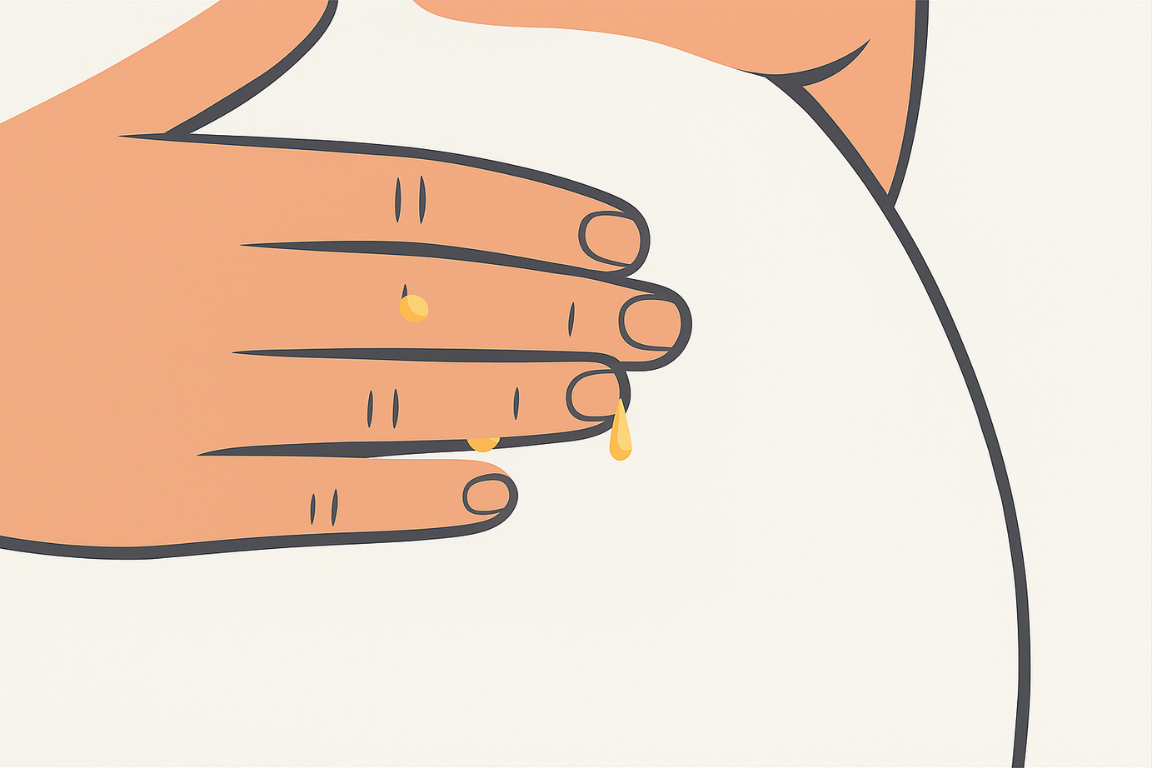
Vaginal seeding is when a baby delivered by C-section is swabbed with vaginal fluids to mimic exposure to birth canal bacteria. The theory is that this might help babies develop a healthier microbiome (gut bacteria), potentially reducing risks of allergies, asthma, and obesity later in life.
What the science says: There is no conclusive evidence that vaginal seeding works. More importantly, vaginal fluids can also carry harmful bacteria and viruses, including HIV, group B strep, and herpes, which can pose serious risks to a newborn. If a C-section was done to avoid an infection, vaginal seeding defeats that purpose.
3. Lotus Birth: Leaving the Cord Attached
A lotus birth, also called umbilical nonseverance, means leaving the placenta attached to the baby after birth instead of cutting the cord. It’s left to dry and naturally fall off within 3 to 10 days.
What the science says: There’s no proven emotional or health benefit to lotus birth. However, there is a serious risk of infection, because a decomposing placenta attracts bacteria that can travel from the tissue into the baby’s bloodstream. Cases of severe neonatal infections linked to lotus births have been reported.
4. Eating the Placenta (Placentophagy): Nourishment or Danger?
Some believe consuming the placenta, whether raw, cooked or in capsule form, can boost breast milk production, prevent postpartum depression, or replenish nutrients lost during childbirth.
What the science says: There is no scientific proof that eating placenta offers any benefits. Worse, the Centers for Disease Control and Prevention (CDC) has warned against it. Placenta capsules have been linked to group B strep infections in newborns, which can be life-threatening. Consuming placenta also poses a food poisoning risk if it is not properly handled.
5. Skipping the Hepatitis B Vaccine: A Dangerous Delay
Some parents choose to delay or skip the birth dose of the hepatitis B (hepB) vaccine, believing it isn’t necessary if the birth parent tests negative.
What the science says: Hepatitis B is a silent virus. A baby can be exposed without the parents realizing it. Even if the birth parent is negative, the baby could get the virus from another infected family member, caregiver, or medical exposure. Babies infected at birth often show no immediate symptoms, but long-term liver damage can occur. The birth dose of the hepatitis B vaccine is the best protection.
6. Declining Erythromycin Eye Ointment: A Risk Not Worth Taking
Newborns receive erythromycin eye ointment to prevent eye infections from Neisseria gonorrhea, a sexually transmitted bacteria that can cause blindness in newborns.
What the science says: If the birth parent tests negative for gonorrhea, the risk of infection is low, but some states require the ointment by law. In cases where there is uncertainty, the benefit outweighs the risk.
7. Delayed Bathing: The Safe and Sensible Approach
More hospitals now delay a newborn’s first bath for at least 24 hours to help with temperature regulation, blood sugar stability, and breastfeeding success.
What the science says: This practice is generally safe and even recommended by the World Health Organization (WHO). However, immediate bathing is necessary if the birth parent has HIV, hepatitis B, hepatitis C, or an active herpes outbreak to remove any infected fluids from the baby’s skin.
Talking to Dr. Marie About Alternative Birth Practices
Some alternative birth choices may expose your baby to risks not typically tested for. Let me know about any nontraditional birth practices used, so I can adjust screenings or treatments if needed.
If you’re considering an alternative birth practice, have an open discussion with me or your obstetrician before delivery to weigh the potential benefits and risks. Some choices may enhance your experience without harming your baby, while others carry hidden dangers that could have lasting consequences.
The goal, as always, is not just a beautiful birth, but a safe and healthy start.
Planning a birth and wondering how these choices affect your newborn’s care? Get in touch.