The Silent Threat: Understanding Blood Lead Levels in Pregnancy & Breastfeeding
Lead is a quiet, patient poison. It does not announce itself with a cough or a fever. It does not demand attention with a rash or a wound. It simply lingers, in the dust of old homes, in the pipes that carry water, in the air near forgotten factories. And when it finds its way into the body, it does not leave quickly. It settles into the bones, the blood, the very fabric of the nervous system.
For the unborn, for the infant at the breast, lead is not just a toxin. It is a thief. It steals potential, dulls the sharp edge of development, leaves behind a legacy of learning struggles and behavior problems. It does not always take a life, but it can reshape one. And so the question is not whether lead is a risk, but whether we choose to see it before it takes hold.
The Fight Against an Invisible Enemy
Can I Protect Myself and My Baby from Lead?
Yes, but only if you know where to look.
Lead does not come with a warning label. It hides in plain sight. Old homes, built before 1978, are likely to contain lead-based paint. The older the house, the greater the risk. Renovation, sanding and scraping: these are invitations for lead dust to rise and settle again, this time in the lungs of those who never built the world that now threatens them.
Water, too, carries its own quiet betrayal. Public sources are tested, but the pipes in old buildings can leach lead into every sip, every meal prepared, every formula mixed. Private wells should be tested, because the danger is rarely visible.
And then there is the work we do. The hobbies we take up. The hands that shape jewelry, cut stained glass, restore antiques. The industries where lead clings to clothes, skin, hair, where it comes home uninvited, carried in the fabric of a worker’s uniform, settling into the very place meant to be safe.
The solution is not fear but vigilance. Test the water. Ask questions about the paint in your home. If lead is in your workplace, protect yourself before you bring it home.
The Body’s Defense: Nutrition and Awareness
Lead preys on the body when it is hungry for something else. An empty stomach absorbs lead more easily than a full one. A body low in iron, calcium, or vitamin C holds onto lead when it should let it pass. A well-balanced diet is not just about nourishment. It is a quiet form of resistance.
How Do I Know If I Have Been Exposed?
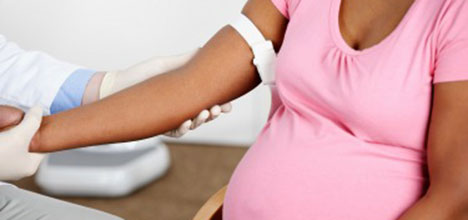
There is a test. A blood lead test can measure what the eye cannot see. Most people carry trace amounts, but levels above 3.5 micrograms per deciliter (µg/dL) signal exposure that must be addressed. There is no safe level, only levels that demand more urgency.
Some are more at risk than others. The CDC recommends testing for pregnant and breastfeeding women with any of the following:
- Recent immigration from areas with high lead contamination
- Living near smelters, mines, or battery plants
- Home renovations exposing lead paint
- Occupations in painting, construction, or battery work
- Use of traditional cosmetics, herbal medicines, or lead-glazed pottery
- A history of eating non-food items (pica)
What Lead Can Do to a Baby
The most devastating effects happen before birth. Miscarriage. Stillbirth. Low birth weight. Premature delivery. And for the babies who survive, lead can remain their lifelong shadow, affecting learning, attention, and behavior in ways that may not be visible until years later.
A mother’s elevated lead levels mean that, even in the safest of nurseries, the baby is still exposed.
What About Breastfeeding?
Breastfeeding is still the best choice, even when lead is a concern, but not without caution. If the mother’s blood lead level is high, the baby should be tested as well.
- If the baby’s lead level reaches 3.5 µg/dL or higher, the home environment must be assessed for sources of lead.
- If the baby’s lead level stays below 10 µg/dL, breastfeeding can continue.
Breastmilk carries much less lead than the bloodstream, but the environment does not stop at the breast. The air, the dust, the water must all be accounted for.
Talk to me
If there is any concern, do not wait. Ask me about testing. Ask about risk factors. Ask before symptoms appear, because by the time they do, the damage has often already begun.
For deeper questions, Pediatric Environmental Health Specialty Units (PEHSU) provide guidance. The people in these units understand that environmental threats do not always come with immediate symptoms, and that prevention is the only real cure.
Knowledge is the First Line of Defense
Lead does not choose its victims. It does not seek out only the careless, the reckless, the uninformed. It exists in history’s walls, in the pipes beneath our feet, in the work we do and the places we live. But we have something lead does not: the ability to see it before it harms, to act before it steals.
Protect your home. Protect your water. Protect your child. Because the greatest defense against lead is knowing where it waits.
More information
- Lead Exposure: Steps to Protect Your Family
- Lead in Tap Water & Household Plumbing: Parent FAQs
- Lead Screening during Pregnancy and Lactation (American College of Obstetricians and Gynecologists)
- Guidelines for the Identification and Management of Lead Exposure in Pregnant and Lactating Women (Centers for Disease Control and Prevention)
Concerned about an exposure in your home? Get in touch and we can talk through testing.