
When the Pool Beckons, Vigilance Must Follow
 Reading Time: 2 minutes
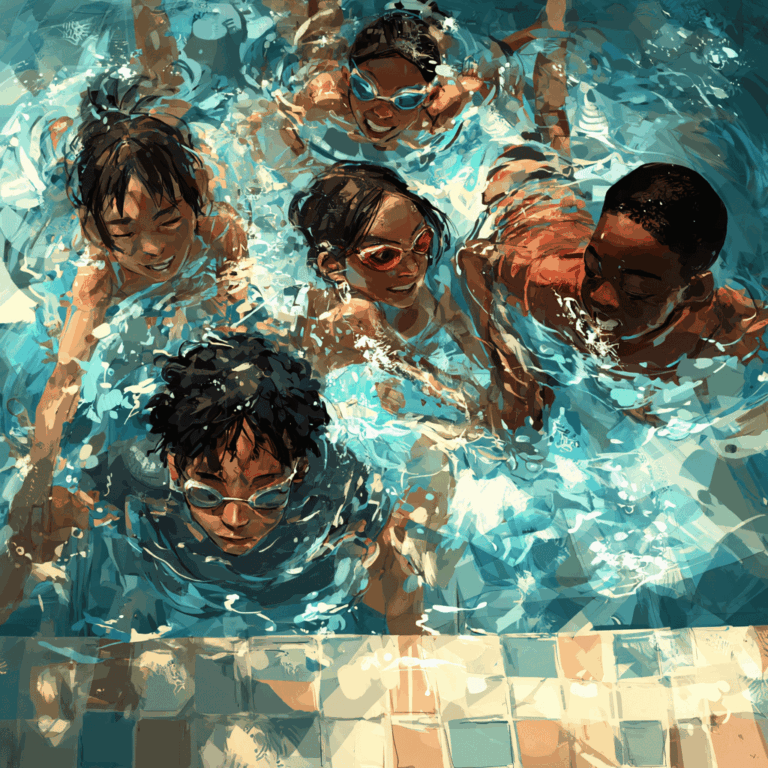
 There is something about water that calls to children. It is vast but knowable, dangerous but inviting—a thing to be mastered, to be played with,…
Most childhood injuries are not accidents in the sense of being unforeseeable. They follow patterns, and patterns can be interrupted. This section collects Dr. Marie’s practical guidance on the risks that actually send children to emergency departments in Florida: drowning, falls and head injury, burns, poisoning, and the car and bicycle injuries that rise every summer.
The recurring theme is layers. No single precaution is reliable on its own. A pool fence fails when a gate is propped open. A life jacket fails when it is the wrong size. Adult supervision fails when the adult is looking at a phone. Protection holds when several imperfect layers overlap, so that one lapse does not become an injury.
You will also find guidance on what to do after something happens, because the minutes following a head bump or a swallowed object are when parents most need clear thresholds rather than vague reassurance. Dr. Marie writes about which findings warrant a call, which warrant an emergency department, and which can safely be watched at home.
As a direct primary care practice, Rising Star Pediatrics gives families a way to reach their pediatrician directly when a question like this comes up, without a triage line or a wait for the next available opening.
 ByDr. Marie Jean-Baptiste Reading Time: 2 minutes
 There is something about water that calls to children. It is vast but knowable, dangerous but inviting—a thing to be mastered, to be played with,…
Family Care Estimator
This is an estimator, not a checkout. Tell us what you are after and we will show your numbers. Nothing is charged here, and the next step is a conversation with Dr. Marie.